
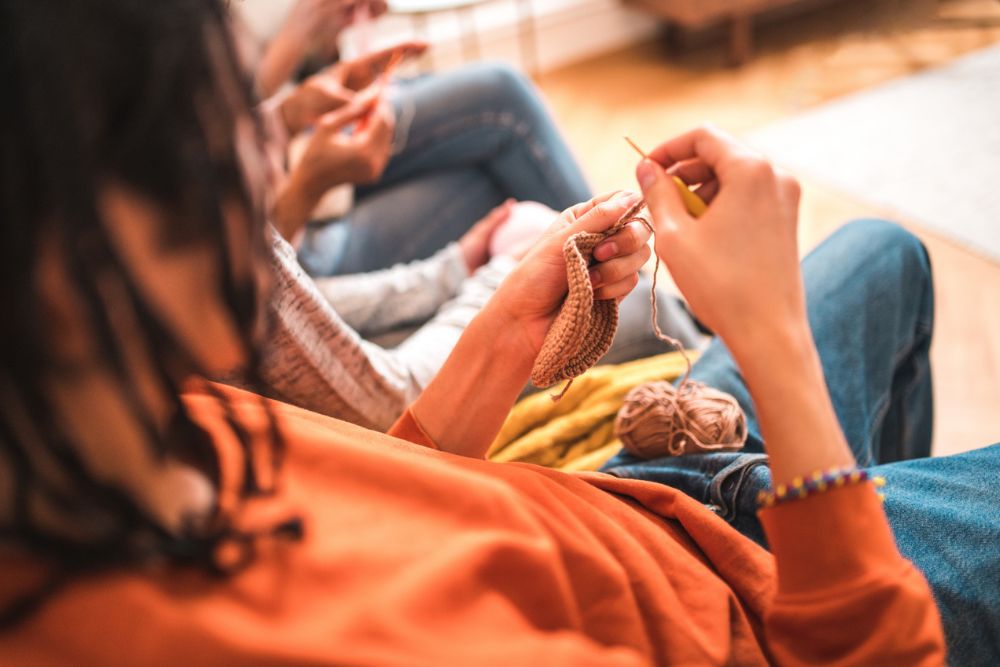
Finding balance in everyday life can be difficult, especially when stress, anxiety, or other mental health challenges start to build. Exploring hobbies can be a powerful addition to your wellness toolkit. Meaningful, enjoyable activities offer more than simple distraction—they can support emotional regulation, creativity, and long-term resilience.
Why Having a Hobby Matters
Whether you live locally in Williamsburg or elsewhere in Virginia, hobbies offer a flexible and accessible way to support well-being. Below, explore why they matter and how different types of hobbies can nurture your mental health.
- Stress relief and emotional regulation. Hobbies create a natural outlet for stress. They help shift your focus from daily pressures to something enjoyable and absorbing. This “mental break” can reduce anxiety, calm the nervous system, and improve your overall mood.
- A sense of purpose and accomplishment. Working toward a goal, whether it is finishing a painting, mastering a recipe, or logging miles on a trail in Williamsburg, fosters a sense of achievement. Even small accomplishments can boost self-esteem and provide structure to the week.
- Social connection. Group activities or shared interests help build community, something we all need for our mental well-being. Joining a book club, sports team, or crafting group creates opportunities to connect with others in healthy, supportive ways.
- Mindfulness and presence. Many hobbies require focused attention, bringing you naturally into the present moment. This mindfulness helps quiet intrusive thoughts and promotes emotional balance.
- Personal identity and growth. Hobbies allow you to explore interests that extend beyond work, family roles, or obligations. That sense of identity—rooted in what you enjoy—can be especially meaningful during times of transition or recovery.
Types of Hobbies That Support Mental Health
There’s no rule on what type of hobbies to pursue. Do what you enjoy and what makes you happy. Some examples of hobbies that support your mental health are below.
Creative Hobbies
Creative activities allow for self-expression and emotional release. They’re especially helpful when feelings are difficult to articulate verbally.
Examples include:
- Drawing or painting
- Writing or journaling
- Photography
- Crafts such as knitting, pottery, woodworking, or scrapbooking
- Music, such as playing an instrument or singing
How they help: Creativity encourages flow states, improves emotional processing, and offers a nonverbal outlet for stress.
Physical Hobbies
Movement is one of the most effective ways to boost mood and reduce anxiety. But physical hobbies don’t have to mean intense workouts—they can be fun, gentle, and tailored to your preferences.
Examples include:
- Walking or hiking
- Yoga or tai chi
- Cycling
- Gardening
- Recreational sports
How they help: Physical activity releases endorphins, improves sleep, supports cognitive function, and reduces symptoms of depression and anxiety.
Mind-Expanding Hobbies
These hobbies engage your curiosity and enhance cognitive well-being. They are especially helpful for managing rumination, as they shift your attention toward learning and discovery.
Examples include:
- Reading
- Learning a new language
- Studying history or science topics
- Playing strategy games or puzzles
- Taking online courses or skill-building classes
How they help: Mental stimulation strengthens the brain, boosts self-confidence, and can provide a healthy sense of purpose.
Outdoor and Nature-Based Hobbies
Spending time in nature reduces stress hormones, lifts mood, and fosters a sense of connectedness.
Examples include:
- Birdwatching
- Fishing
- Camping
- Nature photography
- Foraging or plant identification
How they help: Natural environments have a calming effect, support mindfulness, and help reduce symptoms of anxiety and depression.
Home-Based and Comforting Hobbies
Simple, grounding activities can bring joy and routine to everyday life—especially for those seeking low-pressure ways to relax.
Examples include:
- Cooking or baking
- Home organization projects
- DIY crafts
- Caring for houseplants
- Watching educational or soothing content
How they help: These hobbies foster calm, creativity, and a sense of control within your environment.
How to Choose the Right Hobby for You
Finding the right hobby doesn’t have to be overwhelming. Consider:
- What did you enjoy as a child? Those early passions often offer clues.
- What makes you lose track of time? Activities that absorb attention often support flow and relaxation.
- What do you want more of? Creativity, social connection, structure, fun?
- What feels manageable? Start small—no need to commit to something intensive.
Remember, hobbies aren’t obligations. They’re meant to bring enjoyment, not pressure.
We Are Here to Help Support Your Mental Health
At The Pavilion at Williamsburg Place in Williamsburg, Virginia, we believe that recovery and well-being involve nurturing the whole person. Hobbies offer powerful opportunities to reconnect with joy, discover new strengths, and build supportive routines.
If you or someone you love is seeking guidance, treatment, or a safe place to begin healing, our team is here to help. Contact us today!